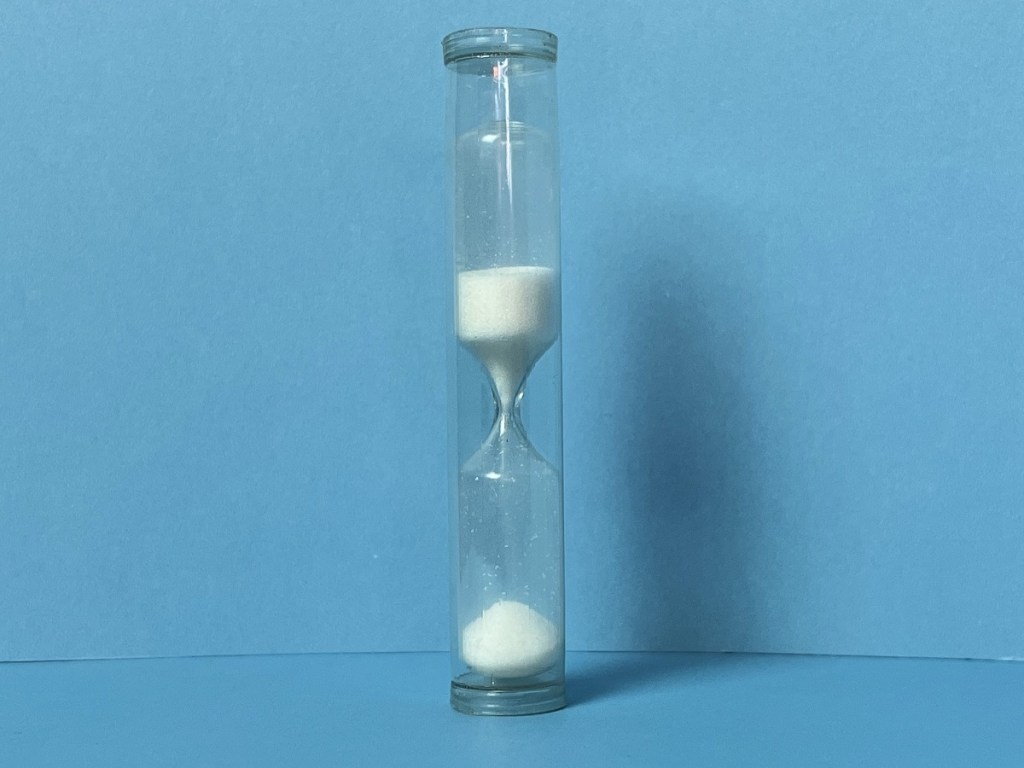
During the pandemic, when everybody was concerned about killing germs that could lead to illness, I recall seeing news segments offering tips on how to maximize the benefits of antibacterial cleaning products. The common denominator was that several of them needed to be left on surfaces for a few minutes to kill the bacteria and viruses that could be present.
Before that, I can’t say that I had given it much thought. Perhaps I had taken my example from TV commercials, where the actors would spray the product and wipe the surface without really leaving time in between. Regardless of the product I used, I assumed that to achieve a streak-free shine, the onus was on me to contribute vigorous scrubbing and elbow grease as part of the deal.
At the suggestion of the news programs’ health experts, I started reading the teeny tiny fine print on the labels of cleaning products, revealing that I had been missing out on some of the products’ extended benefits. To my surprise, had I left them on longer, I may have saved myself some effort.
That being the case, I started letting products do their thing.
For example, I was no stranger to the benefits of letting dishes soak to tackle sticky or greasy stains, but not so much for the rest of the load. Now, rather than getting to work immediately once the dishes hit the hot water, I let them soak for a few minutes while tending to other kitchen clean-up tasks, to let the product do the work. As a result, I believe I have saved myself some effort and some shoulder blade pain.
In our new place, we have a fiberglass tub and shower where abrasive powder would be a no-no. The shower foam we use recommends leaving it on for five minutes. Sure enough, the five-minute wait makes a difference, taking what could be backbreaking work to a breezier chore.
In keeping with my label-reading campaign, I noticed that even the spray I use to clean the cat’s litter box says to leave it on for five minutes to destroy odor molecules. In allowing the full five minutes, her litter box remains fresh as a spring morning for longer.
This new awareness gave me pause for thought when recalling my energy output over the years, scrubbing and toiling over cleaning tasks, when I could probably have taken a break, had a sip of coffee or tea and returned a few minutes later to less drudgery.
The interesting part was in discovering that letting things do their thing did not only apply to cleaning products.
When my partner and I moved in together, I started watching some of his favourite cooking shows, which quickly became my favourites too. One technique I had never heard of before was to let meat “rest” for a few minutes after taking it out of the oven for the juices to redistribute through the roast. At first, I thought the term sounded funny, but it soon became part of my vernacular in the kitchen when I discovered the difference that a few minutes made.
Similarly, I already knew that gluten-free flour tended to be drier than normal flour, but in trying advice suggesting letting recipes made with gluten-free flour rest for 30 minutes before cooking or baking to absorb water molecules, I discovered a technique that instantly elevated my results.
In the more relaxed pace of country living and retirement, thanks to the pandemic, I discovered that in rushing through my weekly to-do list, I may have missed out on the benefits of letting things do their thing. As much as I have joked that someday I should hire someone to help with the cleaning, letting the products do the work has basically cut the effort and the backbreaking work.
Did you enjoy this post? If you did, your likes and shares are most appreciated.
If you haven’t already, please check out the rest of my blog at andrebegin.blog. From there, you can click on the “Follow” button to receive future posts directly in your inbox.
Sincere thanks for reading!
Have a great day,
André





 ANDRE BEGIN
Leave a comment